
7 June 2026
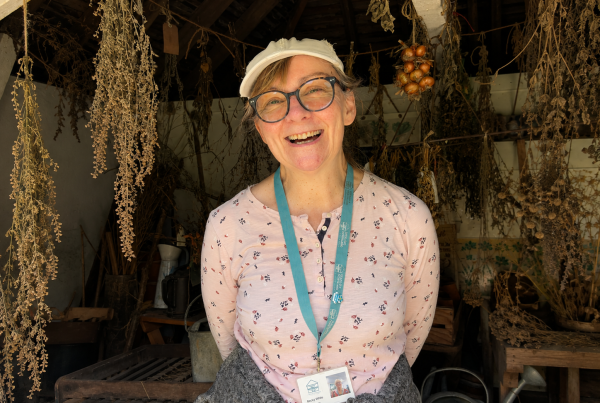
Meet Becky White: Volunteers’ Week 2026
Becky White's connection to Weald & Downland Living Museum is not a simple story. It has roots that go back to childhood, threads that run through her family, and a…
6 June 2026
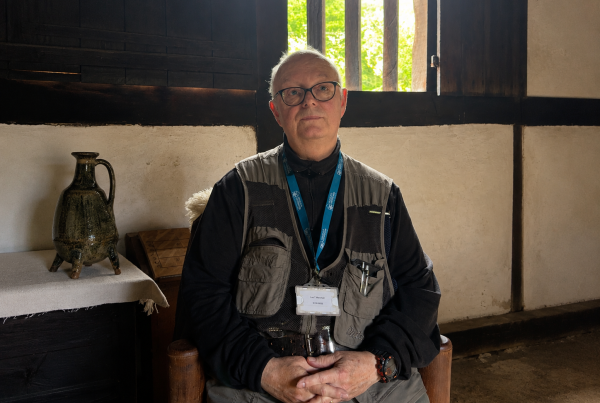
Meet Les Marshall: Volunteers’ Week 2026
Les first came to the museum as a visitor, drawn by a straightforward love of history and the kind of place that makes the past feel present and real. Something…
5 June 2026
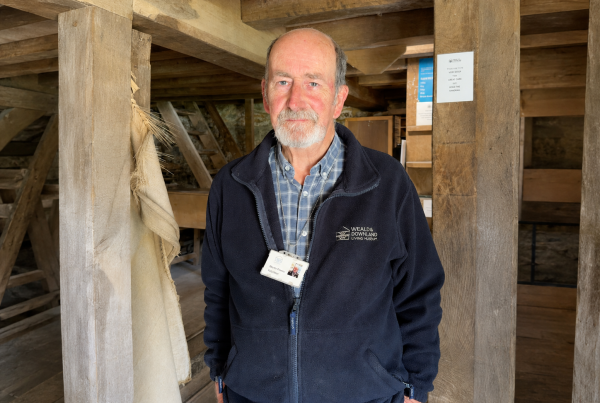
Meet Martin Downey: Volunteers’ Week 2026
Some relationships with a place develop slowly, deepening over time until they become something central to a person's life. Martin Downey's relationship with Weald & Downland Living Museum is one…
4 June 2026
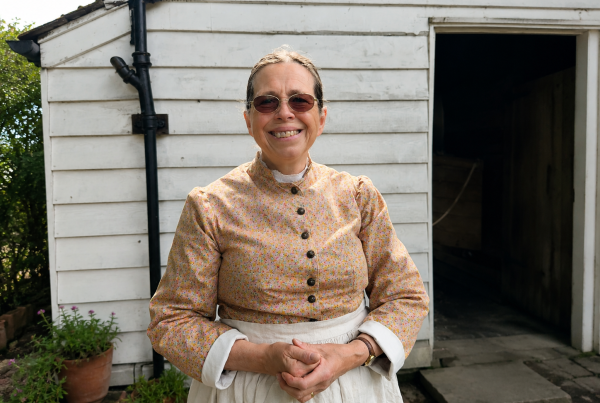
Meet Julie Peachy: Volunteers’ Week 2026
Julie Peachy came to Weald & Downland Living Museum at the start of 2019, at a point in her life when she was looking for something to give her days…

3 June 2026
Meet David Reeve: Volunteers’ Week 2026
There's a particular kind of person who becomes a volunteer at Weald & Downland Living Museum. They tend to be curious, enthusiastic, and deeply connected to the stories that the…
2 June 2026
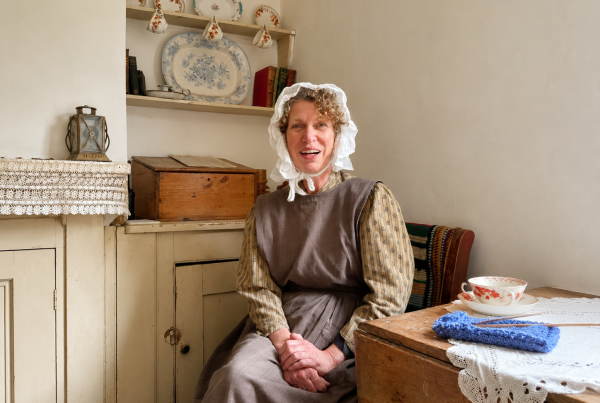
Meet Debbie Wallace: Volunteers’ Week 2026
When one of our volunteers, Debbie Wallace retired, the world had ground to a halt. Lockdown had closed doors across the country, and with it, the usual routes into a…

1 June 2026
Meet Steve Birch: Volunteers’ Week 2026
Retirement can feel like standing at a crossroads. After decades of routine, the question of what comes next isn't always easy to answer. For Steve, a volunteer at Weald &…

18 May 2026
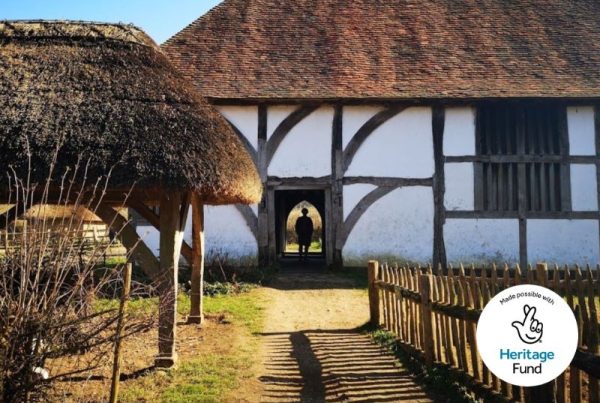
Daily Rural Life in Anglo-Saxon England
Rural life in the shadow of mighty kings and storied conquests, kept the heart of Anglo-Saxon England beating. Far from the centres of power chronicled by monks and minstrels, the…
4 May 2026
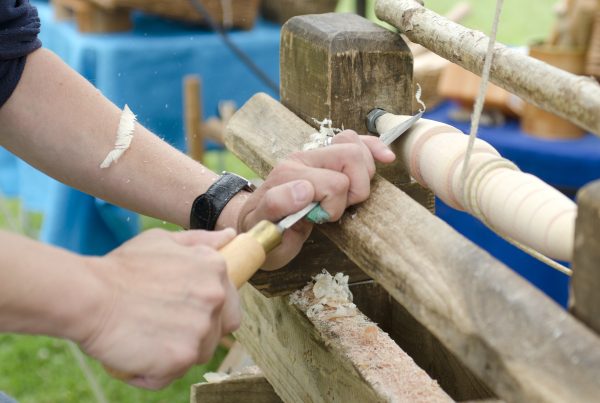
Heritage Crafts: Crafting the Past Today
Britain's heritage crafts are not relics. They are the practical intelligence of generations, encoded not in books but in hands: in the precise angle of a stroke, the feel of…